A note on what we’re trying to do, and why.
The philosophy
We don’t make wine to sell wine. We make it because there is a kind of room — a long table, low light, a bottle nobody is hurrying — that simply doesn’t exist when the wine on the table isn’t worth it. Our entire job is to keep that room open.
Mount Veeder gives us almost everything we need: cool nights, thin soils, a slope steep enough that the vineyard refuses to be industrial. The rest is restraint. Smaller yields than we could get away with. A shorter list of bottles each year than the market would like. Less polishing. More patience.
We are not chasing scores. We are chasing the moment, twenty minutes into dinner, when somebody sets down their glass and looks across the table and just listens.
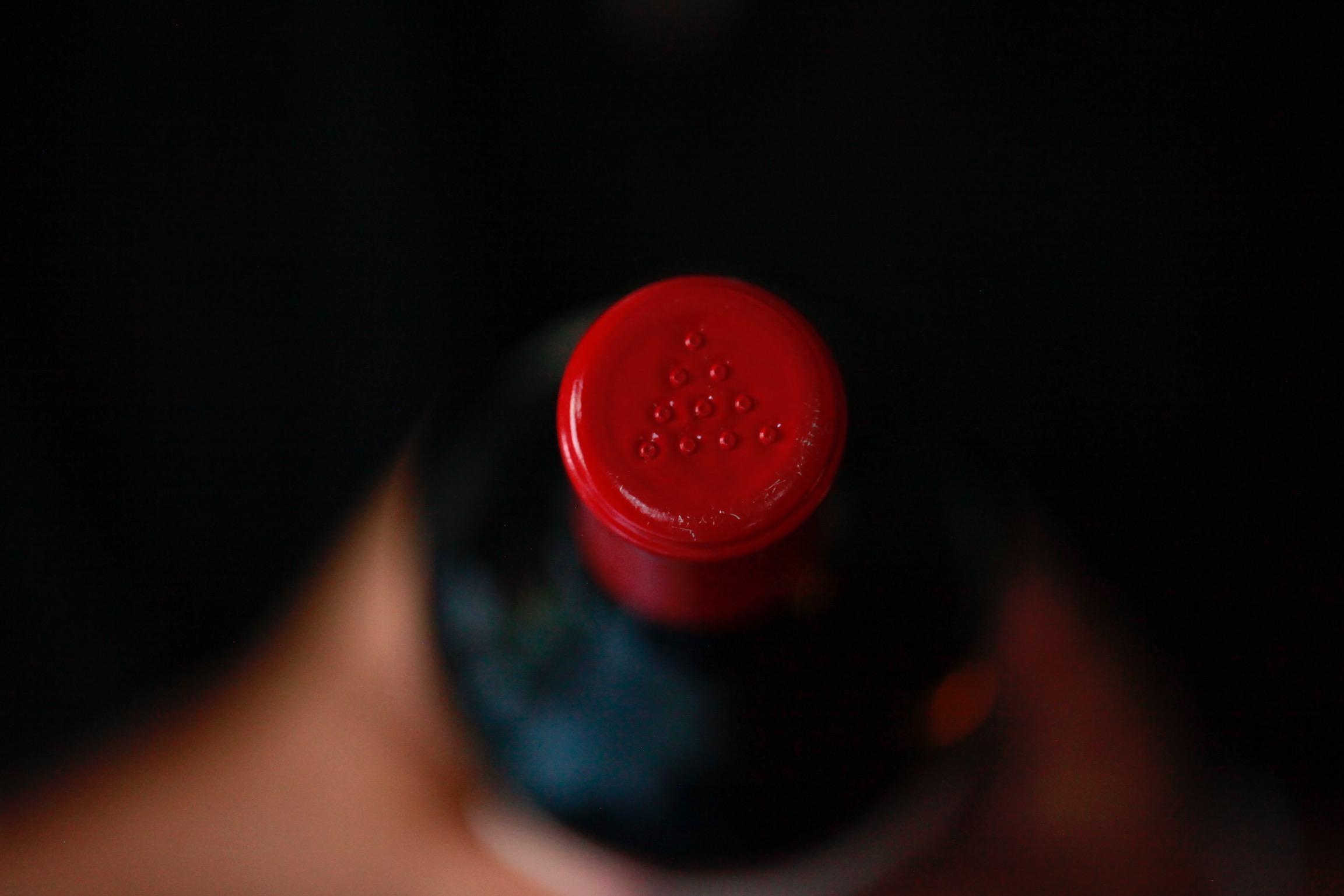
Why Bacchus
The archetype of Bacchus is misunderstood. Bacchus loves good wine, which is interpreted that he drinks too much. He loves beauty, which is misinterpreted to mean sexual excess.
Bacchus is, however, the original romantic — he applies great love to little things, which if interpreted correctly does not lead to excess, it leads to being truly present. The kind of presence you find yourself in when you are awestruck by great beauty, or with a wine that tastes like a symphony, the smallest sip emboldening your imagination to enter a different dimension.
Bacchus is ultra sensuous because he is ultra sensitive to exquisite taste, smell, feel, sight and sound. Great wine indulges four of the five senses; the clinking of fine crystal glasses coming together in gratitude for the company present engages the final sense.
Bacchus is the champion of breaking down the rigid rules imposed by big egos that are compelled to control. He is playful in a world that takes itself too seriously.
In the end it is Bacchus’ inspiration that turns the most stressed grapes into the most complex and delicious wine.
The vision
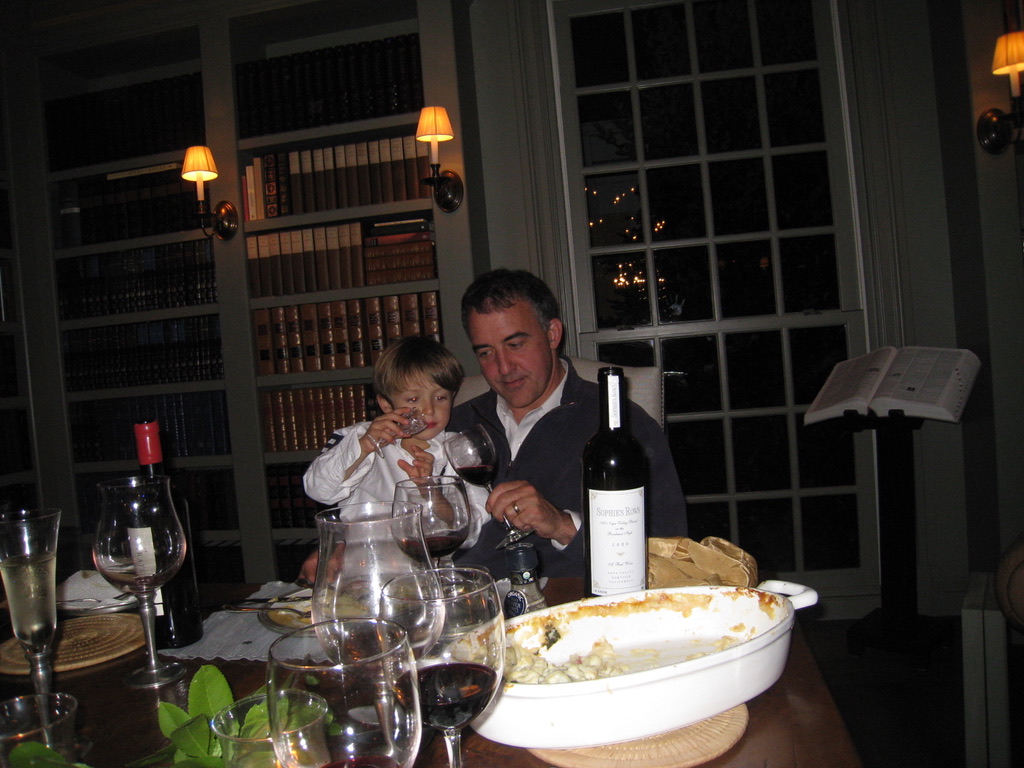
The vision for Bac Hills is to keep things small and intentional.
To bring together people who value the same kind of evenings — good wine, good food, and time around the table.
We’ll start simply, with a few dinners and a small group, and let it grow naturally from there.
Whatever it becomes, the goal is the same: do it well, and don’t rush it.
The history
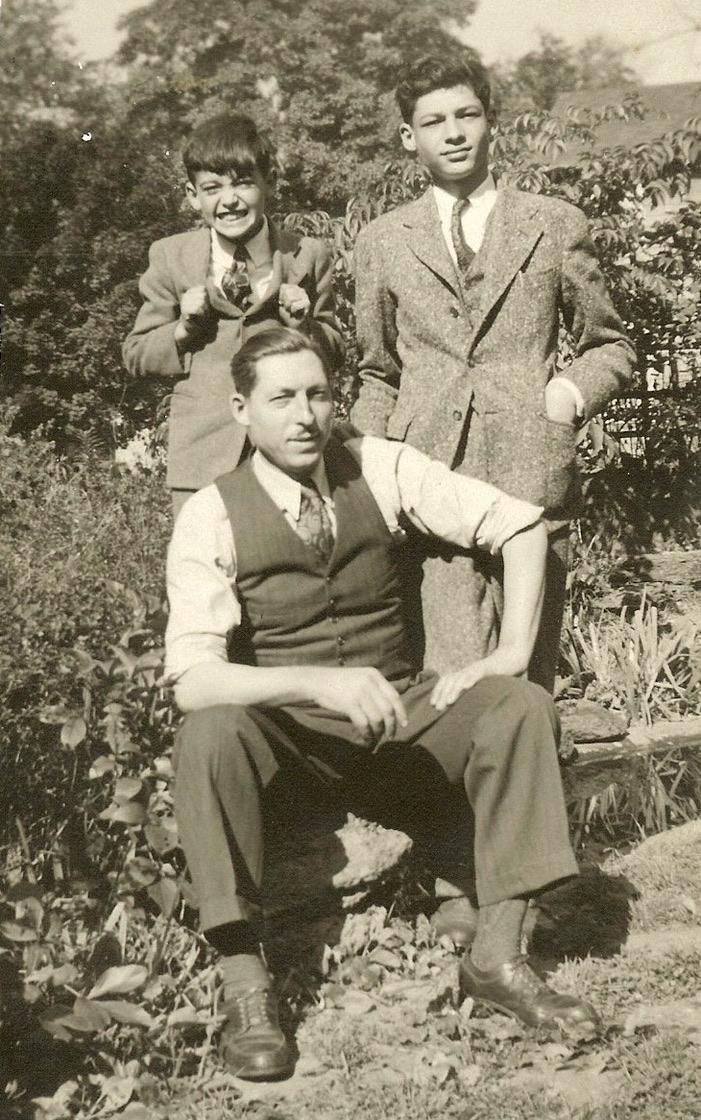
My father taught me how much the Romans valued hilly, rocky slopes for their vineyards. “Grow your grapes on the hills and your tomatoes in the valley,” my father often reminded me. Another way to say this is “Bacco Ama le Colline,” or “Bacchus loves the hills,” which gave the name to our wine.
Slopes and rocky soil trap less water, and the water table itself is often further from the surface. This stresses the vines as their roots search for water, and the more the vines struggle, the better the grapes are for making wine. The fruits are smaller and more concentrated in flavor, with relatively thick skins which provide tannins for structure.
Because the roots have to extend to find water, they have more surface area exposed to the minerals in the soil, which adds desirable character and a sense of place to the juice. As a result, mountain grown red wines tend to be darker and richer than their spoiled valley floor cousins.
With care,
Bac Hills
Mount Veeder · Spring 2026